Gardening Services in Limehouse

Gardening services in Limehouse should feel practical, tidy and tailored to the space in front of you, whether that means looking after a small courtyard, a shared front plot or a broader residential garden. Our work centres on the everyday tasks that keep outdoor areas usable and presentable: mowing, trimming, clearance, maintenance and carefully planned improvements. We focus on clear, straightforward service choices so you can decide what your garden needs without wading through jargon.
That usually starts with understanding the condition of the garden and the kind of finish you want to keep. Some customers need routine upkeep to stop growth running ahead of them, while others want a one-off reset before they can return to regular care. We provide support across maintenance and clearance tasks, with the aim of making the work manageable, neat and sensible for the site. If you are comparing options, it helps to think in terms of outcomes: tidier borders, safer access, healthier grass and a layout that is easier to maintain.
A clear request for a quotation works best when it sets out the main job and the areas involved. If you already know the key parts of the garden, you can note the main priorities first and add any access or timing details afterwards. For many customers, the next step is simply to decide whether the work is a single visit, a seasonal tidy or part of a longer programme. Tell us what you would like brought back under control, and we can help shape the right scope.
Garden maintenance for regular upkeep

Regular garden maintenance is about consistency rather than dramatic change. A well-kept garden usually depends on a sensible schedule that matches the rate of growth and the type of planting in place. We can help with ongoing care that keeps surfaces clear, growth in check and the overall appearance orderly. This may include routine mowing, edging, weeding, trimming and general tidying, all carried out with the aim of keeping the garden balanced rather than overworked.
For many properties, the useful decision is not whether maintenance is needed, but how much structure it should have. Some gardens benefit from a light, frequent touch that prevents jobs building up. Others need a more seasonal approach, with attention to stronger growth periods and the times when beds, paths and lawn edges need more definition. A maintenance plan should reflect the garden as it is, not how it might look in an idealised brochure. Practical upkeep usually delivers the best long-term result when it matches the space and the amount of use it receives.
If you are preparing a quotation request, it is sensible to include the main tasks you want covered and any parts of the garden that should receive extra attention. A few notes about access, stored items or fragile planting can make the scope easier to set out clearly. Once the outline is agreed, the work can be grouped in a way that suits both the garden and the level of finish you expect.
Lawn mowing and lawn care

Lawn mowing is often the most visible part of garden upkeep, yet good results depend on more than simply cutting grass. A tidy finish usually means mowing at a sensible height, keeping the edges neat and avoiding the patchy look that comes from irregular attention. Our lawn mowing service is aimed at keeping grass controlled and presentable, with enough care to support a clean overall appearance rather than leaving the surface blunt or uneven.
Lawns differ in size, shape and condition, so the work needed can vary considerably from one garden to another. Some lawns are best treated as part of a wider maintenance visit, while others need focus in their own right because they have become coarse, long or difficult to manage. In those cases, the result may depend on combining mowing with edging, clearing clippings and bringing the surrounding areas back into line. When grass is one part of a larger outdoor scheme, the lawn often sets the tone for the rest of the space.
When asking for a quotation, it helps to mention whether the lawn is simply overgrown, whether there are awkward boundaries or whether the space forms part of a larger garden clearance. That information lets us understand how the job sits alongside the rest of the site. If you would like to discuss grass cutting as part of a broader service, this is a good place to start. Send the main details now and we can help shape the next step.
Hedge trimming and shape control
Hedge trimming is often about creating definition as much as reducing size. A hedge can provide boundary structure, privacy and visual order, but only if it is kept within sensible limits and shaped with care. We can trim hedges so they sit more neatly within the space, improve the line of the garden and reduce the heavy, untidy look that unmanaged growth can create. The aim is a clean result that still respects the plant’s natural form.
Different hedges need different approaches. Some benefit from light, regular shaping; others need a more careful reduction because they have grown dense or uneven. Trimming can also be guided by practical needs, such as keeping paths open, preventing overhang or restoring balance after a period of missed maintenance. In gardens where the hedge marks a boundary with a neighbour, a tidy and even finish can help the whole outdoor area feel more orderly without overcomplicating the work.
A good quotation request should mention the hedge length, approximate height and whether access is straightforward from one side or both. These details help define the likely amount of work and the tools that may be needed. If you are comparing options for ongoing shaping or a one-off reduction, keep the focus on what the hedge needs now rather than what it looked like in the past. That gives the clearest basis for planning.
Garden clearance and overgrowth removal
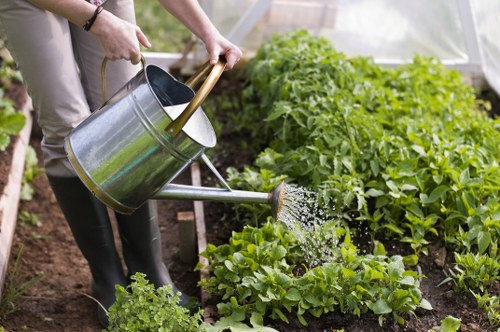
Garden clearance is the right choice when growth, debris or accumulated items have taken over more than routine maintenance can handle. This can include long grass, thick weeds, cuttings, brambles, fallen material and general clutter that makes the space difficult to use. Our clearance work is designed to restore order, open up access and prepare the garden for either regular maintenance or a fresh landscaping plan. It is often the most practical starting point when a site has been left to build up over time.
Clearance is not the same as finishing a garden in a decorative sense; it is the essential stage that makes later decisions possible. Once the unwanted growth and debris are removed, it becomes easier to see the structure of the space, assess boundaries and decide what should be kept. In some gardens, that may reveal a good framework that only needs maintenance. In others, it may point towards resurfacing, replanting or a broader redesign. Getting the basic clearance right avoids carrying old problems into the next phase of work.
If your enquiry is about clearance, the most useful details are the size of the area, the type of material involved and whether there are items to be removed as well as cut back. It is also helpful to say if the space is simply untidy or genuinely overgrown, because that affects the way the work is approached. A short written description is usually enough to begin.
Landscaping and garden improvement

Landscaping gives a garden a more deliberate structure, whether the goal is to improve the layout, refresh tired surfaces or create a more usable outdoor area. Our landscaping services can sit alongside maintenance or follow clearance work when the garden is ready for more substantial change. The best landscaping decisions are usually practical ones: making movement easier, improving the shape of the space and choosing materials or planting that suit the site rather than fighting it.
Some landscaping work is about the broad shape of the garden, while other tasks focus on smaller improvements that make a clear difference. That can include reorganising planting areas, adjusting edges, improving access between parts of the garden or bringing different features into better relation with one another. The right approach depends on what the space already contains and how you want it to function. Careful planning matters because a garden is used over time, not just viewed once.
When requesting a quotation for landscaping, it helps to outline the areas you would like to change and the result you want to achieve. If the space needs a mix of improvement work and practical maintenance, say so at the outset. That makes it easier to suggest a sensible scope. If you are ready to compare options, make a note of your priorities and ask for a quotation. For a quick starting point, send the main details and the garden’s rough size.
Decking and outdoor surfaces
Decking can create a useful transition between the house and the rest of the garden, especially where the aim is to define a seating area or give structure to an uneven outdoor space. Our decking services are suited to gardens where a practical surface can improve how the area is used and make the layout feel more intentional. The focus is on fitting the decking into the space sensibly, so it complements the rest of the garden rather than dominating it.
Good decking work depends on more than appearance. It needs to be considered in relation to levels, access, surrounding planting and the way the garden is used day to day. A surface that looks tidy on paper may not work well if it blocks movement or sits awkwardly against the rest of the garden. That is why it helps to think about the intended use first: sitting, circulation, visual definition or linking different parts of the outdoor area. Where needed, decking can sit alongside wider landscaping so the finished layout feels coherent.
If you are asking about decking, include the approximate size of the area and whether it is a new surface or a replacement for an existing one. It is also useful to mention if the site is part of a larger improvement plan. A quotation request does not need to be complicated; a clear description of the intended use is often enough to begin.
Tree pruning, lopping and removal
Tree work calls for a careful balance between control and respect for the tree’s role in the garden. Our tree lopping and removal service is intended for situations where branches need reducing, growth needs managing or a tree must be removed because it no longer suits the space. In many gardens, the purpose is to restore light, improve access or bring a tree back within a manageable shape, rather than to change the character of the site entirely.
Tree-related decisions can have knock-on effects on the rest of the garden. Branches may be shading lawns, overhanging paths or competing with planting beneath them. In those situations, sensible pruning can improve the way the garden functions without turning it into a blank space. Where removal is the appropriate route, the work is usually tied to wider site considerations, including access, surrounding features and what is to remain in place afterwards. A measured approach is usually best.
If you are requesting a quotation for tree work, note whether you need pruning, reduction or full removal, and describe any awkward access or nearby features that may affect the task. It also helps to mention whether the tree sits in a larger garden tidy-up or landscaping project. Clear information at the start supports a more accurate response.
About Limehouse
Limehouse sits in the London Borough of Tower Hamlets, close to the northern bank of the River Thames and the wider Docklands landscape. The area has long been associated with river trade, canals and movement between the East End and the riverfront, and its character reflects that history in a mix of waterside routes, older streets and later redevelopment. Limehouse Basin links the Regent’s Canal with the Thames, forming one of the district’s most recognisable pieces of waterside infrastructure. The basin and surrounding paths create a distinct sense of place, with moored boats, bridges and canal-side views giving the area a strong connection to transport history as well as present-day residential life. The district is also known for St Anne’s, Limehouse, a church designed by Nicholas Hawksmoor in the early eighteenth century, with its tall tower forming a notable landmark. Limehouse retains traces of maritime and commercial heritage even as it functions as a modern inner-London neighbourhood. The area’s streets include a mixture of housing, local amenities and routes that connect towards Wapping, Stepney and Canary Wharf, while the riverside and canal corridors continue to shape how the place is read on foot. Limehouse also carries cultural associations linked to the historic East End, with its identity shaped by centuries of migration, trade and changing urban use. Its landscape is therefore layered rather than uniform, combining water, architecture and residential streets in a compact and recognisable urban setting.
Quotation details and practical next steps
When you are ready to ask for a quotation, the clearest requests usually include the main service you need, the size of the garden and the parts that matter most. A short description of the current condition is often enough to establish whether the work is routine maintenance, a clear-out, a hedge reduction or a larger improvement task. If there are access issues, pets, fragile planting or items that should not be disturbed, it is sensible to mention them early so the scope is clear from the outset.
It is also useful to decide whether the job is a one-off visit or part of an ongoing arrangement. Some customers only need a single intervention to bring a garden back under control, while others want regular help to keep it that way. If there are several tasks, list them in order of priority. That makes it easier to separate essential work from things that could wait until a later visit. Clarity at this stage saves time later and helps keep the conversation focused on the right service.
Request a quotation today for gardening services in Limehouse and tell us what your garden needs most. If you already know the main areas you want covered, now is a good time to send them through in one clear message so the next step can be arranged without delay.
More ways we can help keep the garden in shape
Different gardens need different combinations of work, and it is often more efficient to choose a service mix that reflects the actual condition of the site. Some spaces need lawn care and hedge trimming together because both affect the overall shape. Others need clearance before any finer work can be started. The aim is not to push every garden into the same pattern, but to match the service to the state of the space and the outcome you want to see.
Our services overview can help you compare the main types of work, while garden maintenance is useful if your priority is ongoing care rather than a one-off intervention. Where the garden needs a reset before regular attention can resume, garden clearance sets out the sort of work that brings the space back to a manageable condition. These pages are a practical starting point when you want to understand how the services fit together.
If your garden has been left for a while, the sequence of work matters. Clearance may come first, then mowing, trimming, planting or surface improvements. If the space is already manageable, the emphasis may shift towards keeping it tidy and adjusting details that improve the whole layout. Either way, the best plan is the one that suits the garden as it stands now, not the one that assumes everything needs changing at once.
Choosing the right service for your garden
Many customers start with a broad idea, then narrow it down once they have thought through the site properly. A lawn that only needs regular attention is best treated differently from one buried under longer growth. A hedge that simply needs shaping is not the same as one that has become a major obstruction. Thinking in those terms helps make the next step more straightforward and keeps the quotation process grounded in the actual work involved.
Lawn mowing is the right place to look when the grass is the main issue, while hedge trimming suits boundary growth that needs control and definition. For larger structural change, landscaping and landscape gardening are the services to review, depending on whether the focus is on practical layout changes or broader garden improvement. Selecting the right starting point usually leads to a clearer plan.
Where the site contains mature trees or significant overgrowth, it can be sensible to begin with the more demanding parts of the job and then decide what remains. That way, maintenance or improvement work is not carried out before the garden is properly accessible. If you are unsure which route suits your garden, a brief description of the current condition is enough to begin that conversation. Keep it simple, clear and specific so the response can focus on what matters most.
Planning a tidy result from the outset
Good garden work is usually easier when the plan is practical. If the aim is to restore order, it makes sense to prioritise access, safety and visibility first, then move on to the details that shape the final appearance. That approach is useful for both domestic gardens and more complex outdoor spaces, because it helps the work progress logically instead of skipping between tasks that depend on one another. The result is often neater and easier to maintain afterwards.
Pricing and quotes is a helpful page if you want to understand how requests are usually approached, while contact us is the natural final step once you are ready to ask for a quotation. If you also want to read more about how the business handles insurance and safety or see the approach to recycling and sustainability, those pages can give additional context without changing the main service choice. The aim is to keep the process clear and practical.
For your own request, the main thing is to identify the area to be worked on and the finish you want. A little preparation at the start tends to produce a better quotation discussion than a long list of vague ideas. If the garden has more than one issue, group related tasks together so the scope is easier to follow. Ask for a quotation when you are ready, and describe the site as plainly as you can.